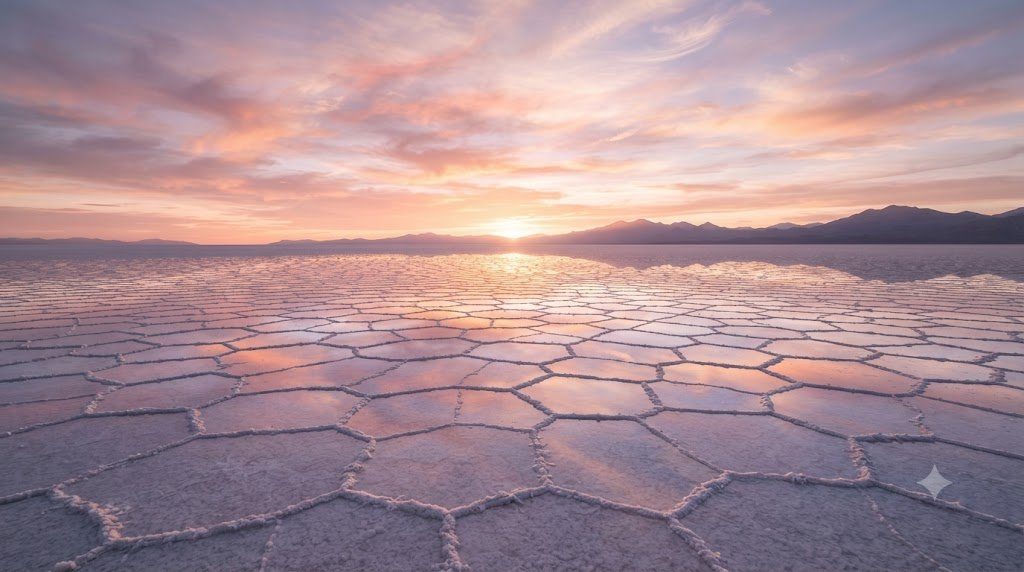
Temperate Deciduous Woodlands: Leaf Phenology, Vernal Dam Dynamics, and Nutrient Cycling Across Four Distinct Seasons
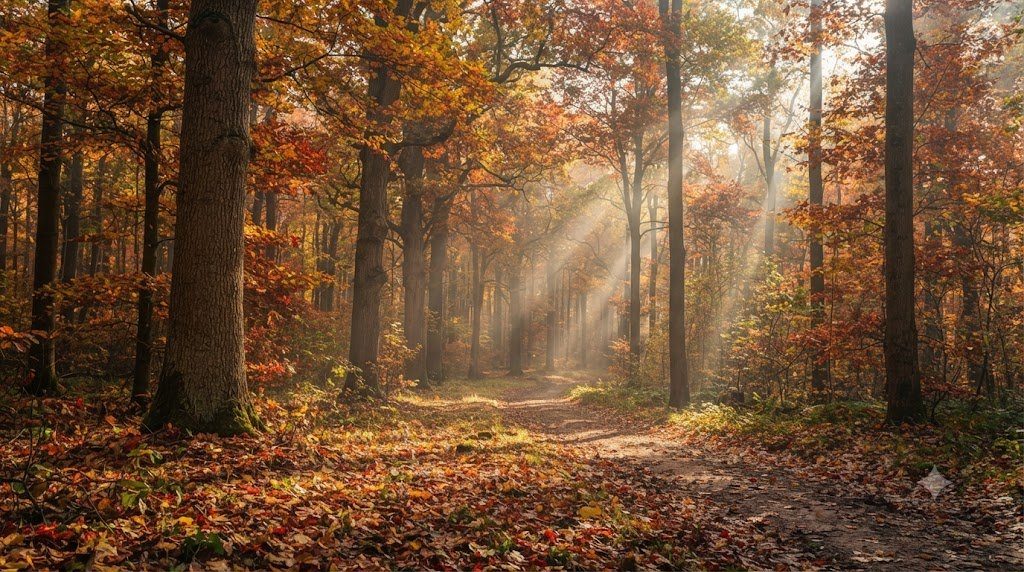
Temperate deciduous forest ecosystems—spanning the eastern half of North America, western and central Europe, and eastern Asia (northeastern China, Korea, and Japan)—represent one of the most dynamically synchronized seasonal biomes on Earth. Governed by four pronounced astronomical seasons, fluctuating photoperiods, moderate annual rainfall (750 to 1,500 mm), and severe winter freezing, these woodlands are commanded … Read more
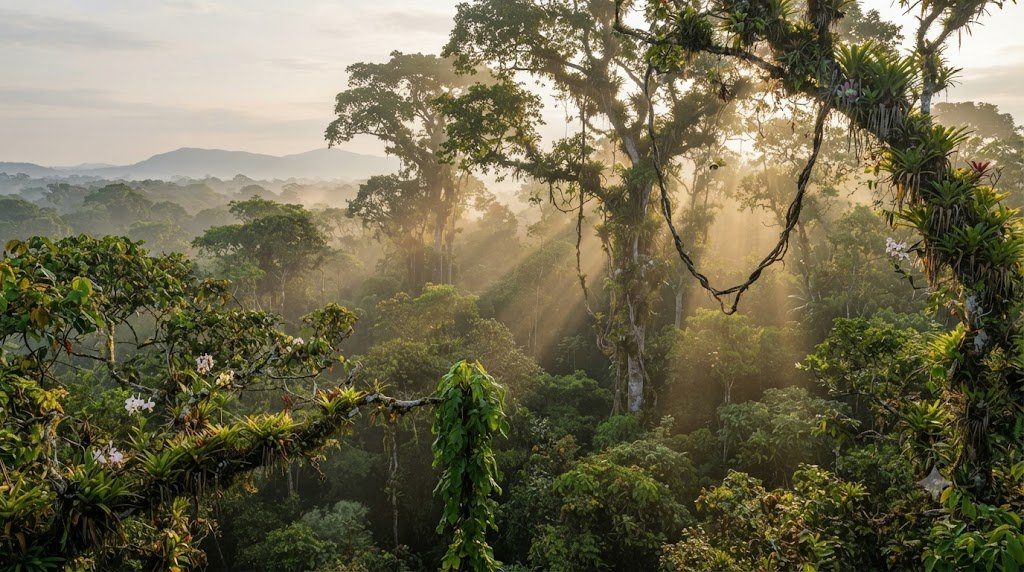
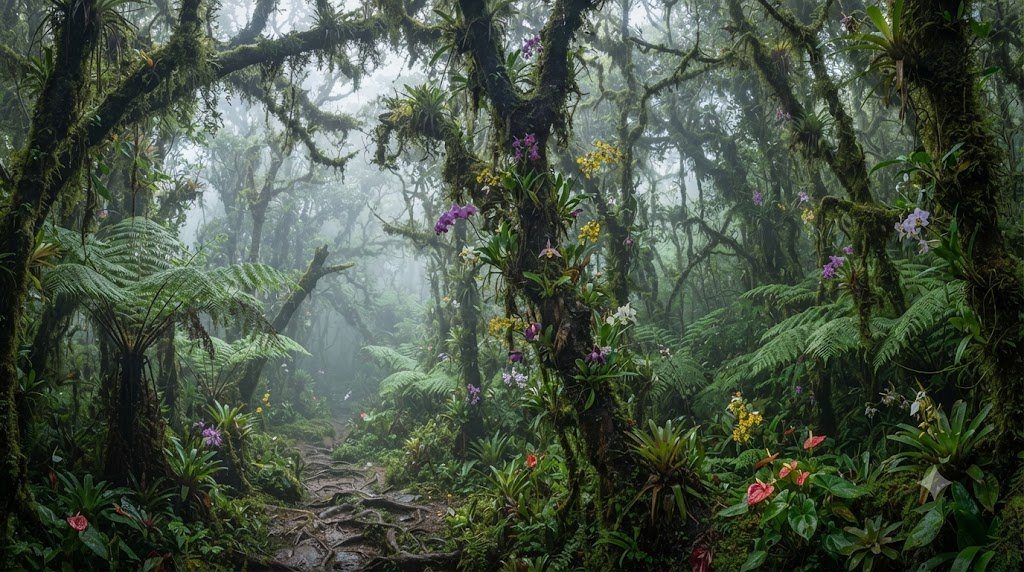
Tropical Rainforest Architecture: Vertical Canopy Stratification, Epiphytic Niches, and Liana Structural Dynamics

Tropical rainforest ecosystems—anchored along equatorial latitudes across the Amazon Basin, the Congo Basin, and the Indo-Malayan archipelago—represent the biological zenith of terrestrial species richness, structural complexity, and annual carbon turnover. Operating under continuous solar insolation, high temperatures (24°C to 30°C), and immense precipitation exceeding 2,000 to 4,500 mm annually without prolonged dry intervals, rainforests have … Read more

Riparian Wetland Buffers: Flood Hydrograph Attenuation, Nitrate Denitrification, and Riverine Ecological Connectivity

Riparian wetland corridors and forested alluvial floodplains—occupying the critical terrestrial-aquatic boundary along streams, rivers, and freshwater drainage networks—represent linear biodiversity hotspots and vital ecological lifelines across global biomes. Characterized by dynamic lateral connectivity with river channels, frequent scouring by flood hydrographs, saturated alluvial sediments, and multi-tiered vegetation canopies, riparian zones function as supreme natural filtration … Read more

Coastal Mangrove Ecosystems: Halophytic Physiology, Prop Root Hydrodynamics, and Blue Carbon Sequestration in Estuarine Zones

Coastal mangrove forest ecosystems—situated at the dynamic confluence of land and sea across tropical and subtropical coastlines—represent one of the most biogeochemically productive and physically protective biomes on Earth. Occupying intertidal depositional zones from the Sundarbans of Bangladesh and India through the Indo-Pacific archipelagos to the Caribbean and Central American coastlines, mangroves are composed of … Read more

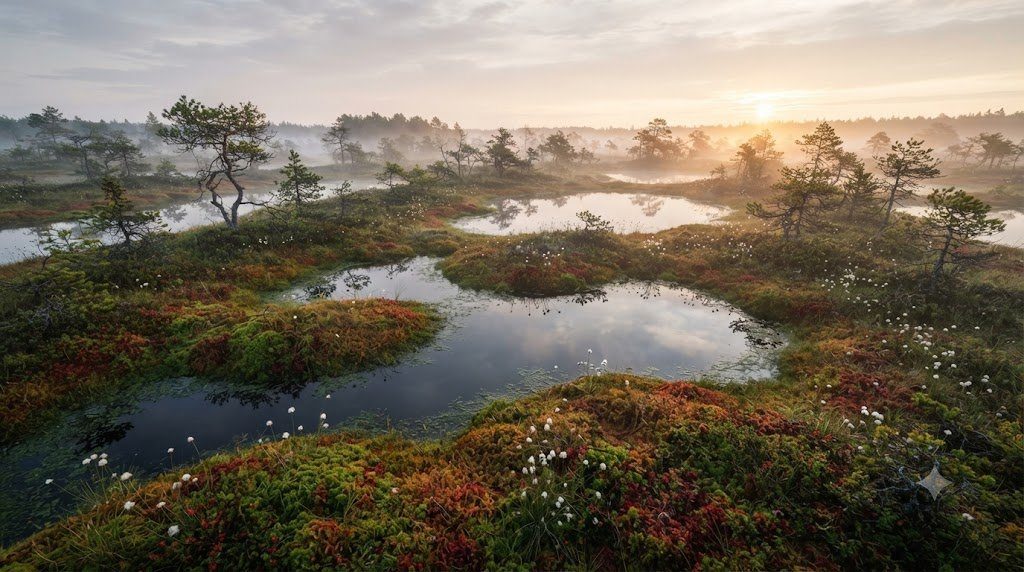
Peatland Biogeochemistry: Carbon Sequestration Mechanics, Sphagnum Moss Ecology, and Paleo-Archive Preservation in Bogs and Fens

Peatlands—comprising ombrotrophic bogs, minerotrophic fens, and forested peat swamp ecosystems—represent the ultimate terrestrial carbon vault of planet Earth. Although covering just 3% of the global land surface, peatlands store over 550 to 650 gigatons of organic carbon—more carbon than all the world’s forests combined, and nearly double the carbon pool stored in the entire global … Read more

Freshwater Marshes and Forested Swamps: Hydroperiod Dynamics, Anaerobic Soils, and Emergent Vegetation Stratification

Freshwater wetlands—predominantly categorized into herbaceous freshwater marshes and woody, tree-dominated forested swamps—represent hydrological ecotones where terrestrial and aquatic ecosystems merge under the pervasive influence of water saturation. Characterized by dynamic hydroperiods, chronic soil anoxia, unique redox chemistry, and specialized morphological adaptations, these ecosystems provide disproportionate ecological services relative to their spatial footprint. Marshes, dominated by … Read more

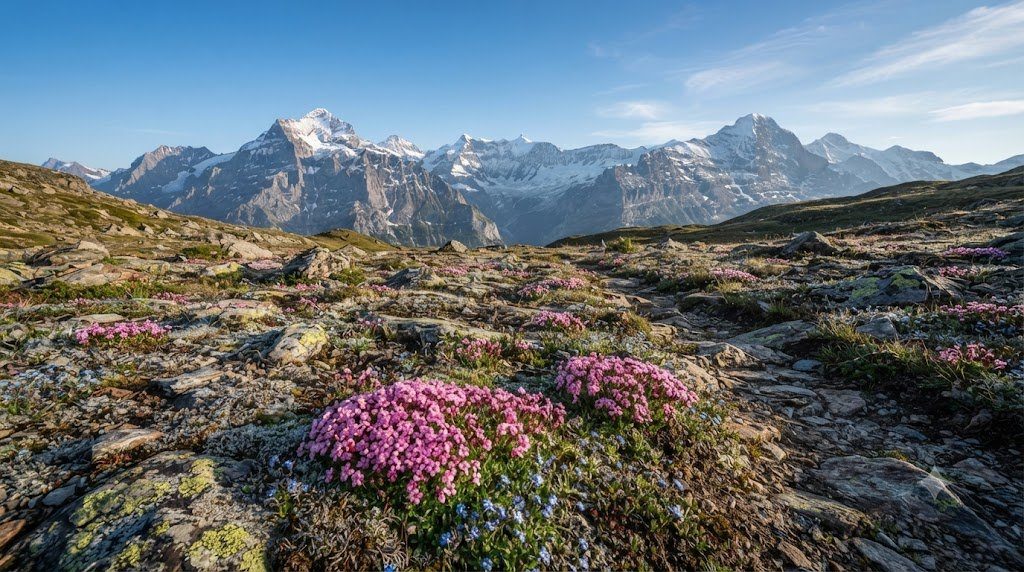
High-Altitude Montane Grasslands and Puna: Microclimatic Extremes, Tussock Morphometrics, and Water Regulation in Andean Paramos

High-altitude tropical montane grasslands and alpine plateaus—represented by the northern Andean Páramo of Colombia, Ecuador, and Venezuela, the central Andean Puna of Peru and Bolivia, the Afroalpine moorlands of Mount Kenya and Kilimanjaro, and the high-elevation tussock grasslands of the Tibetan Plateau—represent extraordinary evolutionary arenas perched between the upper continuous forest limit and the permanent … Read more

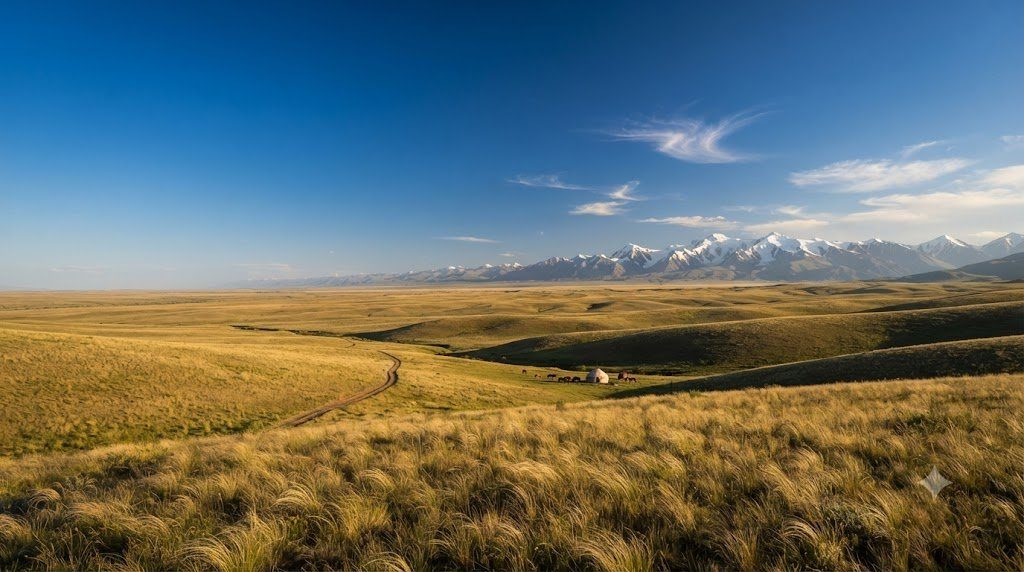
The Great Eurasian Steppe: Continental Aridity, Perennial Bunchgrasses, and Ecological Pressures of Pastoral Grazing Across Central Asia

The Great Eurasian Steppe—stretching over 8,000 continuous kilometers from the mouth of the Danube River in Ukraine and European Russia across Kazakhstan, southern Siberia, and the Mongolian plateau to Manchuria—constitutes the largest contiguous temperate grassland biome on Earth. Characterized by extreme continental hyper-aridity, bitter Siberian anticyclonic winters where temperatures plummet to -45°C, torrid summers exceeding … Read more

Tropical Savanna Dynamics: Seasonal Rainfall, Herbivore Migration Patterns, and Woody Encroachment in the Serengeti and Brazilian Cerrado

Tropical savannas and wooded grasslands—spanning over 20% of the Earth’s terrestrial land surface, most spectacularly represented across the East African Serengeti-Mara ecosystem, the Australian tropical woodlands, and the highly biodiverse Brazilian Cerrado—are characterized by the continuous coexistence of an open C4 grass understory punctuated by a discontinuous canopy of drought- and fire-resistant trees and shrubs. … Read more

Temperate Prairie Ecosystems: Soil Biogeochemistry, Fire Ecology, and Floristic Stratification of Tallgrass, Mixed, and Shortgrass Steppes

Temperate prairie ecosystems—spanning the monumental longitudinal gradient of the North American Great Plains from the tallgrass prairie of Illinois, Iowa, and Minnesota through the mixed-grass prairie of Nebraska, Kansas, and the Dakotas to the shortgrass steppe of eastern Colorado, Wyoming, and New Mexico—represent one of the most productive yet heavily altered terrestrial biomes on Earth. … Read more

About HabitatGuide

About HabitatGuide

HabitatGuide is an earth and environmental science encyclopedia exploring terrestrial biomes, wetland hydrology, forest soil biogeochemistry, montane alpine microclimates, and arid adaptations. We break down complex ecological mechanisms, carbon cycles, and conservation dynamics.

Learn More →
Expert Advice Terrestrial Biome Science
Hydrology & Peatlands Soil Biogeochemistry
Alpine Microclimates Ecosystem Conservation