Glacier Forelands and Scree Slopes: Pioneer Lichen Succession, Debris-Flow Colonization, and Post-Glacial Biogeography
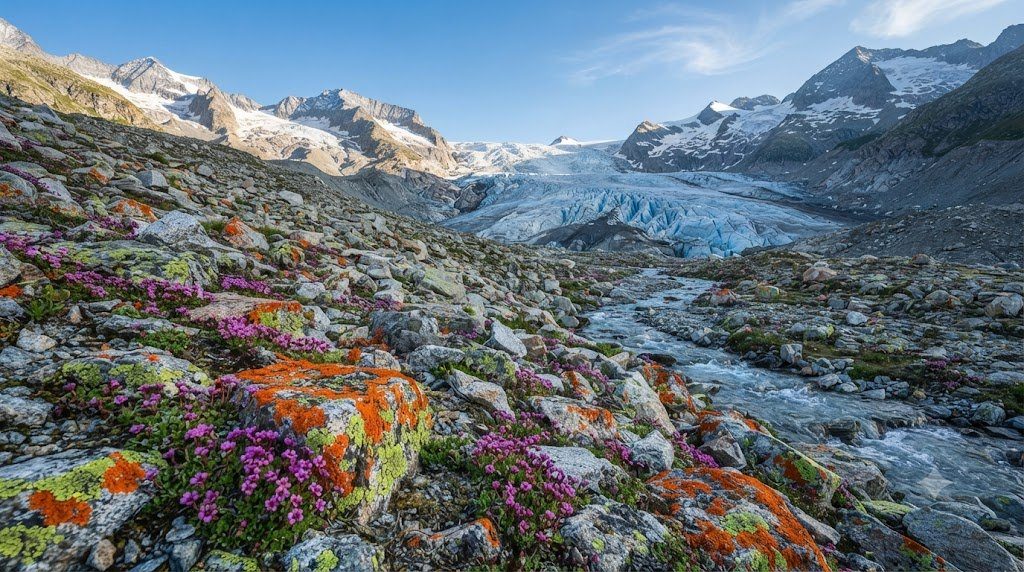
Glacier Forelands and Talus Scree Slopes represent the absolute terrestrial frontier of primary ecological succession and geomorphic disturbance. As alpine glaciers undergo unprecedented global retreat due to accelerated climatic warming, they expose raw, sterile expanses of bedrock, pulverized glacial flour, and unstable morainic debris. Across these barren proglacial landscapes and the gravity-driven rockfall slopes that … Read more
Tropical Montane Cloud Forests: Horizontal Precipitation Interception, Epiphytic Bryophyte Mats, and Endemic Speciation

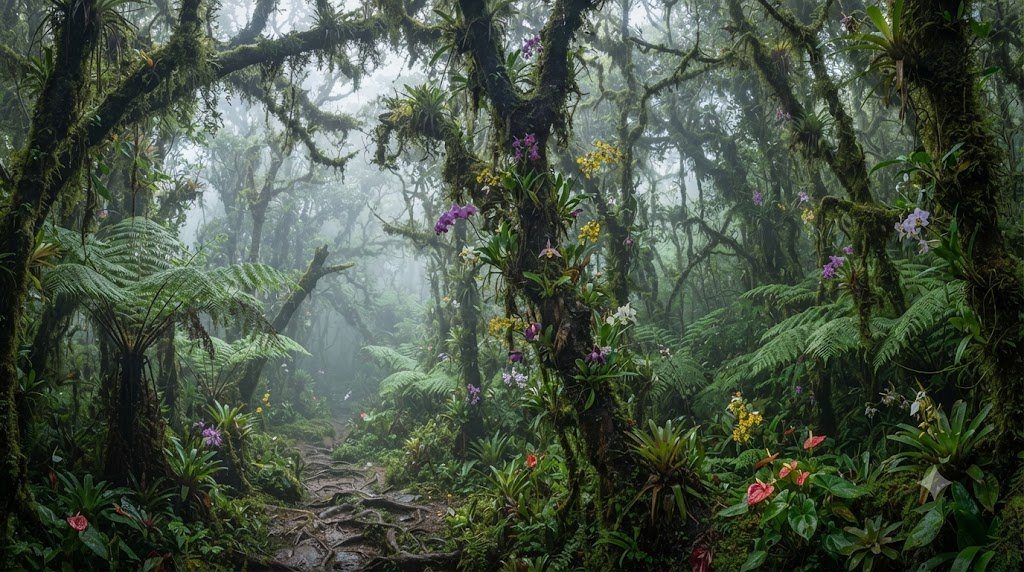
Tropical Montane Cloud Forests (TMCFs) represent some of the most biodiverse, hydrologically vital, and fragile ecosystems on Earth. Perched along rugged tropical mountain ranges where prevailing trade winds force moist air masses to ascend, condense, and form persistent cloud immersion, these “fog forests” operate under unique atmospheric and biological dynamics. Through horizontal precipitation interception, hyper-abundant … Read more

The Subalpine Treeline Ecotone: Krummholz Morphology, Wind Flagging Dynamics, and Thermal Freezing Resistance

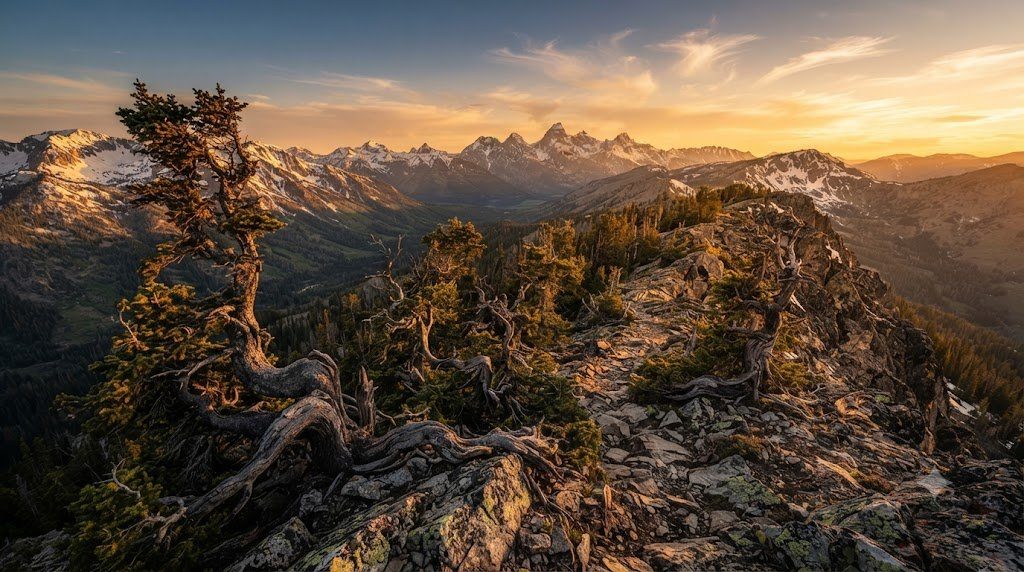
The subalpine treeline ecotone—the dramatic transitional boundary zone separating continuous subalpine closed-canopy forests from open alpine tundra—represents one of the most visually striking and biologically intense ecological frontiers on planet Earth. Within this narrow vertical belt, towering forest conifers succumb to severe environmental stress, transforming into the iconic, dwarfed, wind-sculpted growth form known globally by … Read more

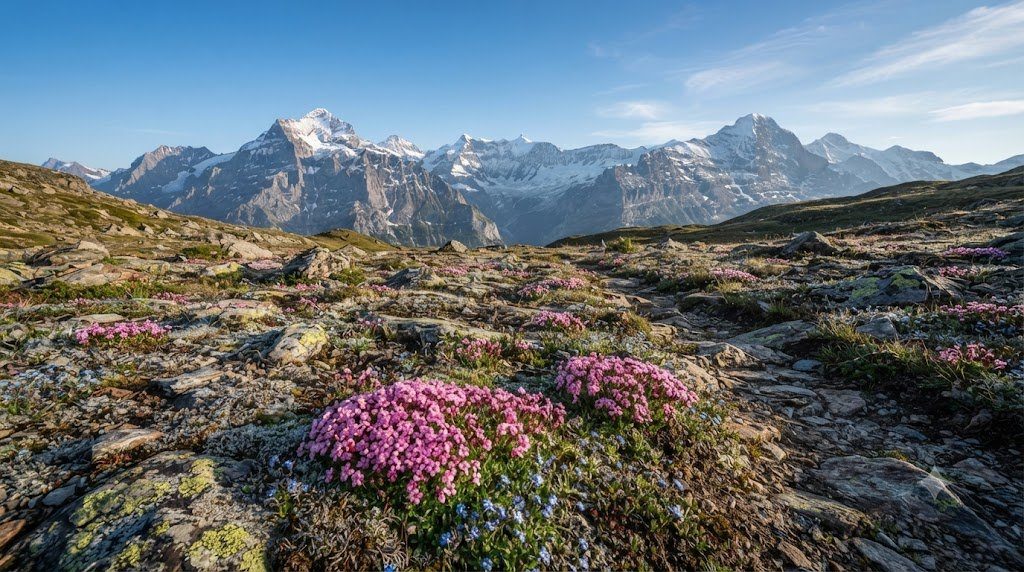
Alpine Tundra Ecosystems: Periglacial Cryoturbation, Cushion Plant Microclimates, and High-Altitude UV Adaptations

Alpine tundra ecosystems—perched above the climatic timberline across the Rocky Mountains, the European Alps, the Himalayas, and the Scandinavian Scandes—represent the highest terrestrial life zones on Earth. Bounded below by stunted subalpine krummholz ecotones and above by barren permanent nival snow and ice, the alpine tundra operates under severe physical limitations: extreme wind shear exceeding … Read more

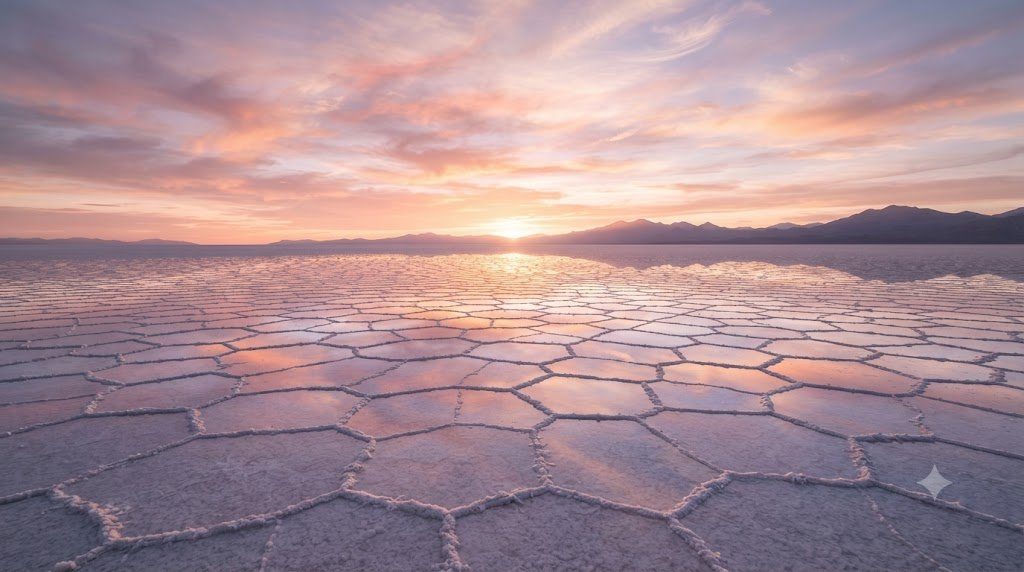
Desert Playas and Terminal Salt Pans: Halophytic Osmoregulation, Evaporite Crystallization, and Ephemeral Wetland Ecology

Desert playas, terminal salt pans, and saline dry lake beds—spectacularly represented by the Salar de Uyuni in Bolivia, Death Valley’s Badwater Basin in North America, the Etosha Pan in Namibia, and Lake Eyre in Australia—represent the ultimate geomorphic and geochemical endpoints of endorheic drainage basins across global arid biomes. Lacking any outlet to the sea, … Read more

Coastal Fog Deserts: Advection Fog Hydrodynamics, Welwitschia Physiology, and Beetle Water Harvesting in the Namib and Atacama

Coastal fog desert ecosystems—supreme examples represented by the Atacama Desert of northern Chile and Peru and the Namib Desert of southwestern Africa—occupy hyper-arid coastal strips wedged between cold upwelling ocean currents and towering inland escarpments. Recognized as the driest non-polar terrestrial landscapes on Earth, sections of the central Atacama have recorded zero measurable rainfall for … Read more

Cold Winter Deserts and Shrub-Steppes: Frost Freezing Cycles, Artemisia Dominance, and Biological Soil Crust Biogeochemistry

Cold winter desert and shrub-steppe ecosystems—prominently exemplified by the North American Great Basin Desert, the Central Asian Gobi Desert, the high-latitude Patagonian Desert, and the Iranian Plateau—occupy high-elevation continental basins situated at temperate latitudes (35° to 50° north and south). Unlike hot subtropical deserts, cold deserts are characterized by extreme continental seasonality: freezing, snow-swept winters … Read more

Hot Hyper-Arid Deserts: Crassulacean Acid Metabolism, CAM Photosynthesis, and Xerophytic Succulence in the Sahara and Sonoran Basins

Hot hyper-arid desert ecosystems—spectacularly represented across the African Sahara, the Arabian Rub’ al Khali, the North American Sonoran and Mojave basins, and the Australian Great Sandy Desert—occupy subtropical latitudes aligned with descending atmospheric Hadley cells (typically 15° to 35° north and south). Characterized by extreme annual moisture deficits (precipitation often under 50 to 150 mm … Read more

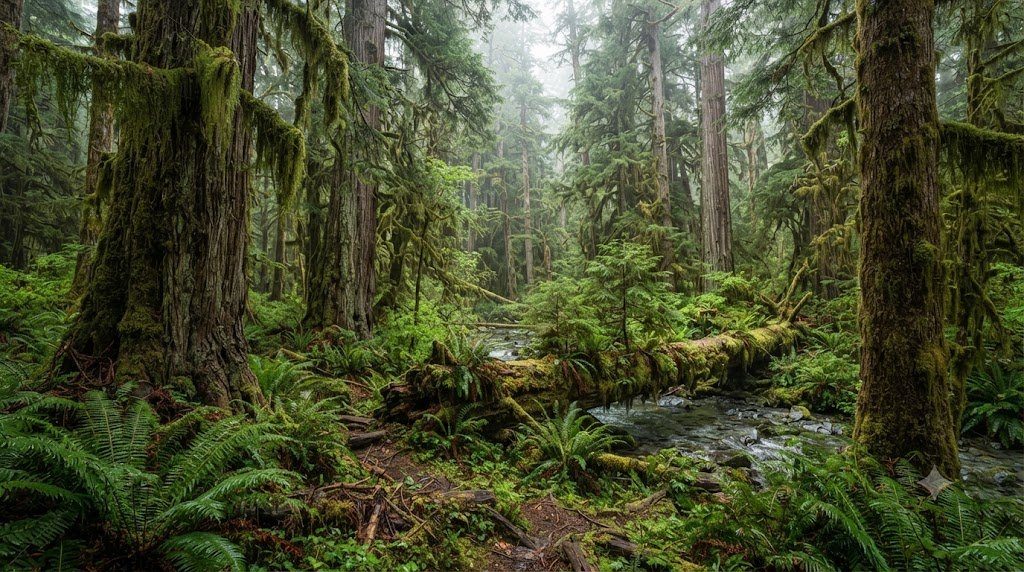
Pacific Northwest Temperate Rainforests: Epiphytic Biomass, Nurse Log Regeneration, and Old-Growth Coniferous Giants

The temperate rainforests of the Pacific Northwest—stretching in a narrow coastal corridor over 2,000 kilometers from northern California through Oregon, Washington, and British Columbia to southeastern Alaska’s Alexander Archipelago—represent the absolute pinnacle of terrestrial biomass accumulation on planet Earth. Operating under cool maritime maritime conditions, mild winters, cool summers, and astonishing precipitation (2,000 to 4,500 … Read more

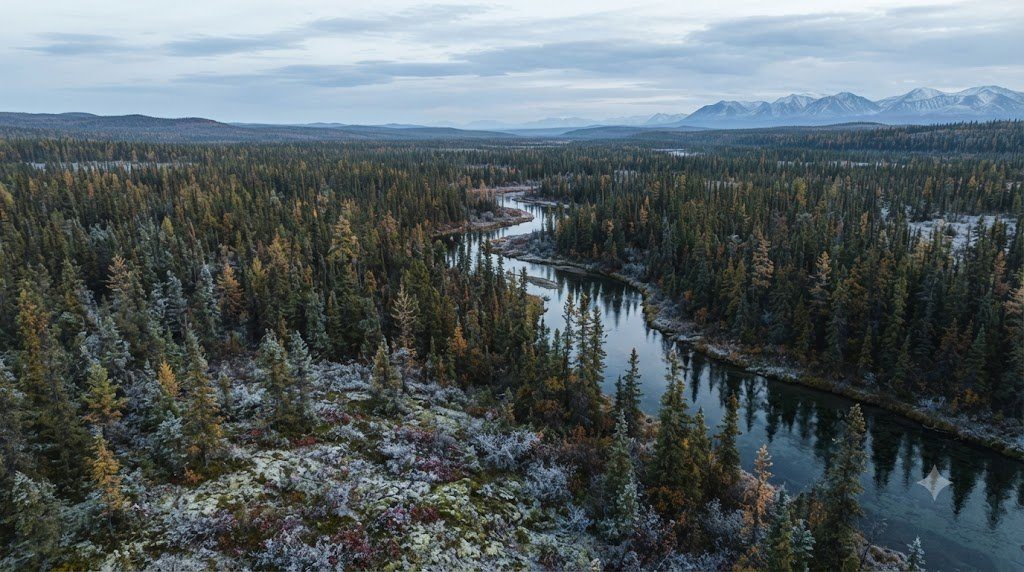
The Circumpolar Boreal Taiga: Permafrost Active Layers, Coniferous Resin Adaptations, and Acidic Podzol Pedogenesis

The circumpolar boreal forest—conventionally known as the Taiga—represents the largest contiguous terrestrial biome on planet Earth, encircling the high northern latitudes across Russia (Siberia), Scandinavia, Canada, and Alaska. Spanning over 17 million square kilometers between the 50th and 70th northern parallels, the taiga is bounded to the north by freezing Arctic tundra and to the … Read more