Pacific Northwest Temperate Rainforests: Epiphytic Biomass, Nurse Log Regeneration, and Old-Growth Coniferous Giants
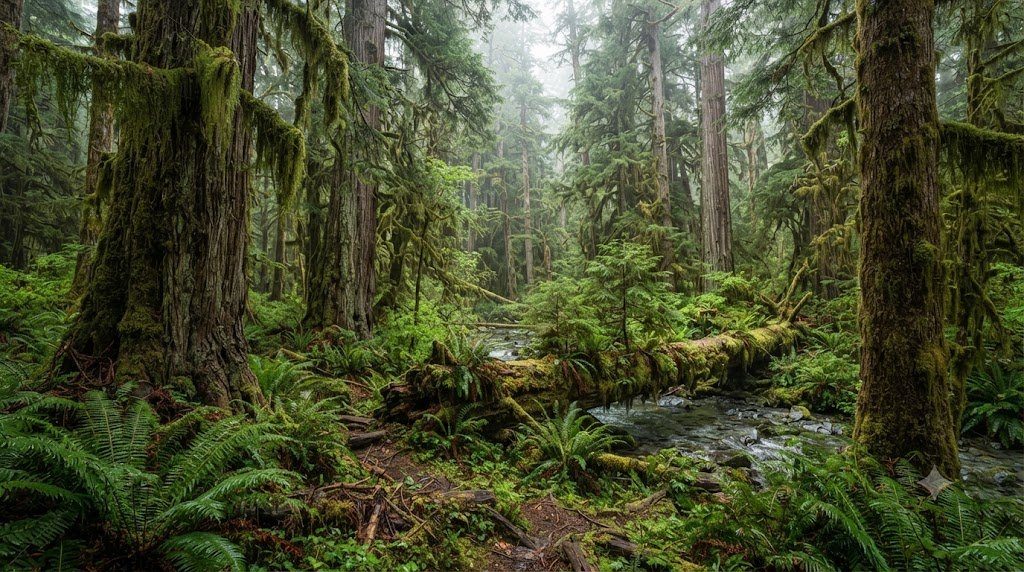
The temperate rainforests of the Pacific Northwest—stretching in a narrow coastal corridor over 2,000 kilometers from northern California through Oregon, Washington, and British Columbia to southeastern Alaska’s Alexander Archipelago—represent the absolute pinnacle of terrestrial biomass accumulation on planet Earth. Operating under cool maritime maritime conditions, mild winters, cool summers, and astonishing precipitation (2,000 to 4,500 … Read more
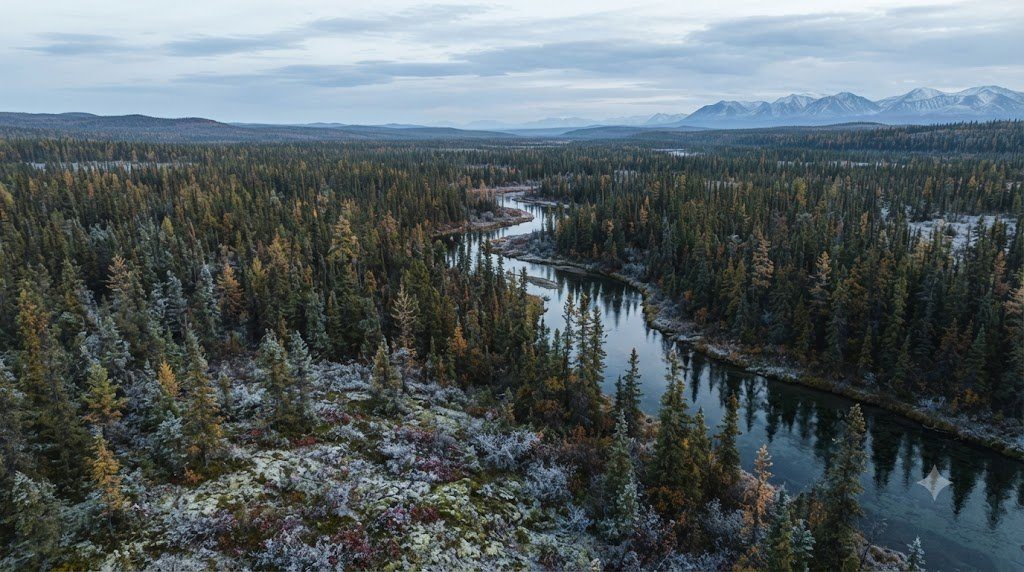
The Circumpolar Boreal Taiga: Permafrost Active Layers, Coniferous Resin Adaptations, and Acidic Podzol Pedogenesis

The circumpolar boreal forest—conventionally known as the Taiga—represents the largest contiguous terrestrial biome on planet Earth, encircling the high northern latitudes across Russia (Siberia), Scandinavia, Canada, and Alaska. Spanning over 17 million square kilometers between the 50th and 70th northern parallels, the taiga is bounded to the north by freezing Arctic tundra and to the … Read more

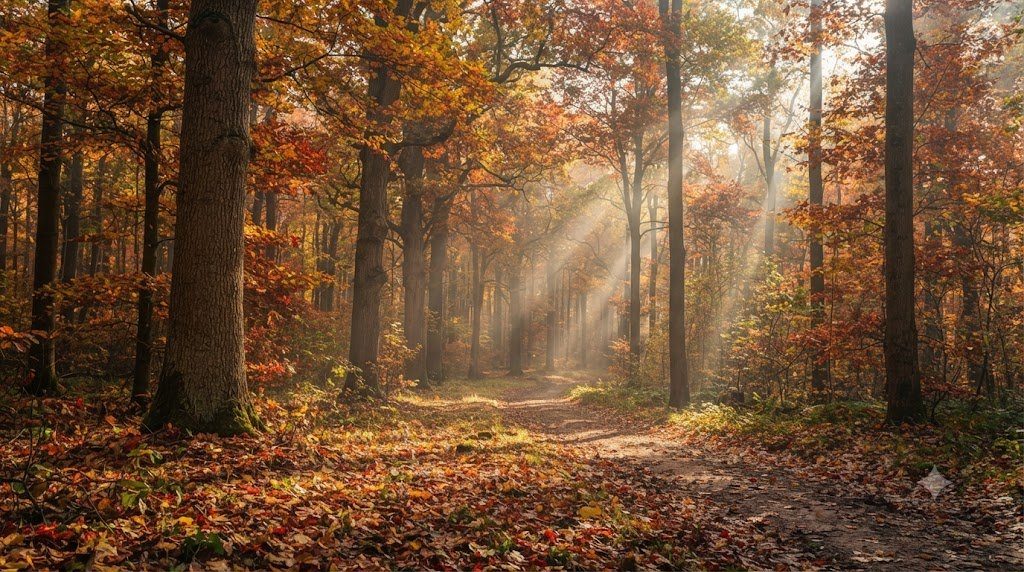
Temperate Deciduous Woodlands: Leaf Phenology, Vernal Dam Dynamics, and Nutrient Cycling Across Four Distinct Seasons

Temperate deciduous forest ecosystems—spanning the eastern half of North America, western and central Europe, and eastern Asia (northeastern China, Korea, and Japan)—represent one of the most dynamically synchronized seasonal biomes on Earth. Governed by four pronounced astronomical seasons, fluctuating photoperiods, moderate annual rainfall (750 to 1,500 mm), and severe winter freezing, these woodlands are commanded … Read more

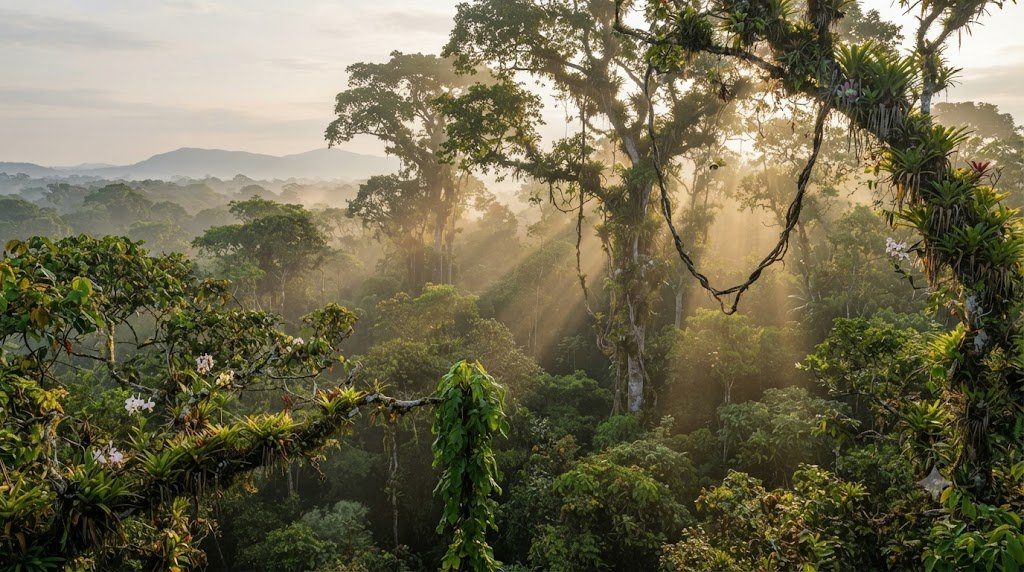
Tropical Rainforest Architecture: Vertical Canopy Stratification, Epiphytic Niches, and Liana Structural Dynamics

Tropical rainforest ecosystems—anchored along equatorial latitudes across the Amazon Basin, the Congo Basin, and the Indo-Malayan archipelago—represent the biological zenith of terrestrial species richness, structural complexity, and annual carbon turnover. Operating under continuous solar insolation, high temperatures (24°C to 30°C), and immense precipitation exceeding 2,000 to 4,500 mm annually without prolonged dry intervals, rainforests have … Read more